Course
Level 3
Core Balance for Promoting Falls Prevention
Overview
This advanced level 3 course is designed to equip qualified Chair-based Exercise Instructors with the specialist knowledge and practical skills to integrate neuromotor and balance training into their existing classes – creating a multimodal programme that supports falls prevention in individuals at low to medium risk.
Falls are a leading cause of injury and loss of independence, particularly among older adults and those with limited mobility. Preventing falls requires a thorough understanding of the underlying risk factors and the implementation of targeted interventions. This course provides a practical and accessible guide for exercise professionals, carers, health professionals, and anyone interested in promoting stability, confidence, and lifelong independence through structured movement and core balance training.
This Core Balance for Promoting Falls Prevention course can be completed online.
On successful completion it leads to an AllActive Level 3 Certificate Core Balance for Promoting Falls Prevention.


Content
Foundations of falls prevention
Enhancing stability and balance through neuromotor, reactive balance and dual-task training
Applying motor learning principles to enhance training
Group 1 Exercises – The first group of exercises in this programme focus on developing seated balance and core stabilisation, facilitating safe progression to more challenging exercises. The benefits of improved seated balance extend beyond exercise. Developing core strength makes daily tasks such as getting in and out of chairs, reaching for objects, and sitting for extended periods more comfortable and less strenuous.
Group 2 Exercises – these exercises challenge participants’ ability to maintain balance and control during sit to-stand transitions. This group focuses on moving from a seated to a standing position. Sit-to-stand movements are vital for everyday life and require a blend of muscular strength, flexibility, balance, and motor coordination. By practising various sit-to-stand exercises, participants will enhance their postural control and functional capacity, making daily tasks easier and more enjoyable.
Group 3 Exercises – the focus shifts to standing balance exercises, utilising a chair for support. Standing exercises are more challenging than seated ones, as they engage more muscle groups and require greater core stability. Through standing movements, participants can enhance their strength, balance, flexibility, and functional capacity, preparing themselves for a safer and more independent daily life.
Group 4 Exercises – In this group of the programme, the focus shifts from standing exercises to dynamic movements involving walking, marking a significant advancement in the training regimen. This transition represents a crucial step towards enhancing functional mobility and independence. While previous stages concentrated on developing balance, strength, and stability in stationary positions, Group 4 introduces movement through space. Walking, a fundamental human activity, requires the coordination of multiple muscle groups, sensory feedback systems, and cognitive processes. By integrating walking exercises, participants begin to apply the skills acquired in earlier groups to more realistic and practical scenarios.
Integrating core balance into your chair-based exercise classes
Adapting chair-based exercises to target core strength and balance. Additionally, we will show you how to integrate these exercise groups into your existing chair-based classes, and how to modify your current routines to better target core stability and balance.
Course Hours:
16
Format & Assessment
Format

Complete the Core Balance for Promoting Falls Prevention course online via AllActive’s Learnstream platform. The course includes videos, downloads and podcasts covering theory, session structure and seated and standing exercise technique. You’ll have 12 months’ access, with the option to purchase a comprehensive printed course book to support your learning.
Assessment
- An online quiz (28/40 marks, 70% pass mark) with unlimited attempts.
- You’ll retain access to the course for 12 months, allowing you to revisit the material after passing and downloading your certificate.
Entry Requirements
Over 18 years
Level 2 QCF Chair-based exercise qualification
or Amac/AllActive Certificate in Chair-based Exercise Instructing
or Equivalent* Chair-based Exercise Instructor Certificate*A copy of your certificate will be requested to verify the training and modules covered. If you have any questions regarding your prerequisite requirements, please contact us.
Key Documents
FAQs
Is this a dedicated falls prevention programme?
This is not a dedicated falls prevention programme however, this programme targets these components of fitness highlighted by the Chief Medical Officer’s Report 2019 and other organisations. To promote balance, strength and coordination in older adults. The core balance programme can seamlessly be integrated into chair-based exercises classes you already run.
Who can take part in the class?
The Core Balance for Promoting Falls Prevention is suitable for those at low risk of falls. It is primarily a prevention programme to help protect participants before issues arise. People at higher risk should seek support through medical professionals.
Do I need to buy additional equipment?
Use of additional equipment such as air cushions, stability discs, wobble boards, balance boards and foam mats are intended solely for use in the modification and progression stages of each exercise. For some participants, it may not be appropriate or safe to introduce this equipment, particularly if adequate supervision cannot be provided. The decision to incorporate external perturbation equipment should always prioritise participant safety and be based on individual assessment and careful consideration.
Who is this course suitable for?
Please note that you must already have a Chair-based Exercise Instructing certificate for this CPD course.
What settings can I run these classes in?
This course enables the instructor to run a seated parachute session or within a chair-based exercise sessions in a variety of settings, for example, within health, adult social care and leisure environments.
How do I get my certificate?
If you are taking the online course format, then the certificate can be automatically downloaded as soon as you have passed the quiz.
After this course, what can I study next?
Once you have completed this course you may consider another advanced Level 3 course.
For CIMSPA members, how many points does this course contribute to CPD?
This course contributes 10 CPD points.
What happens if I don’t pass the quiz?
If you should need to retake the quiz to pass the course, this will be available free-of-charge and automatically available.
Do I need to purchase the book with the course?
This is entirely optional as all the content required for the course is available via AllActive’s Learnstream platform. You may find it useful to accompany your studies and then afterwards for reference in the future.
Is this course available in different languages?
If you would prefer to view the course in a different language, this can be done easily. Our eLearning platform is compatible with the built-in translation feature available in Google Chrome, allowing users to translate the course content into a wide range of languages, including Urdu.
Most of the course content can be translated, including video transcripts. This means that while watching the videos, learners can read translated subtitles/transcripts alongside the content to support their understanding.
We can also provide step-by-step guidance for anyone who would like assistance in translating the course and accessing the translated content.
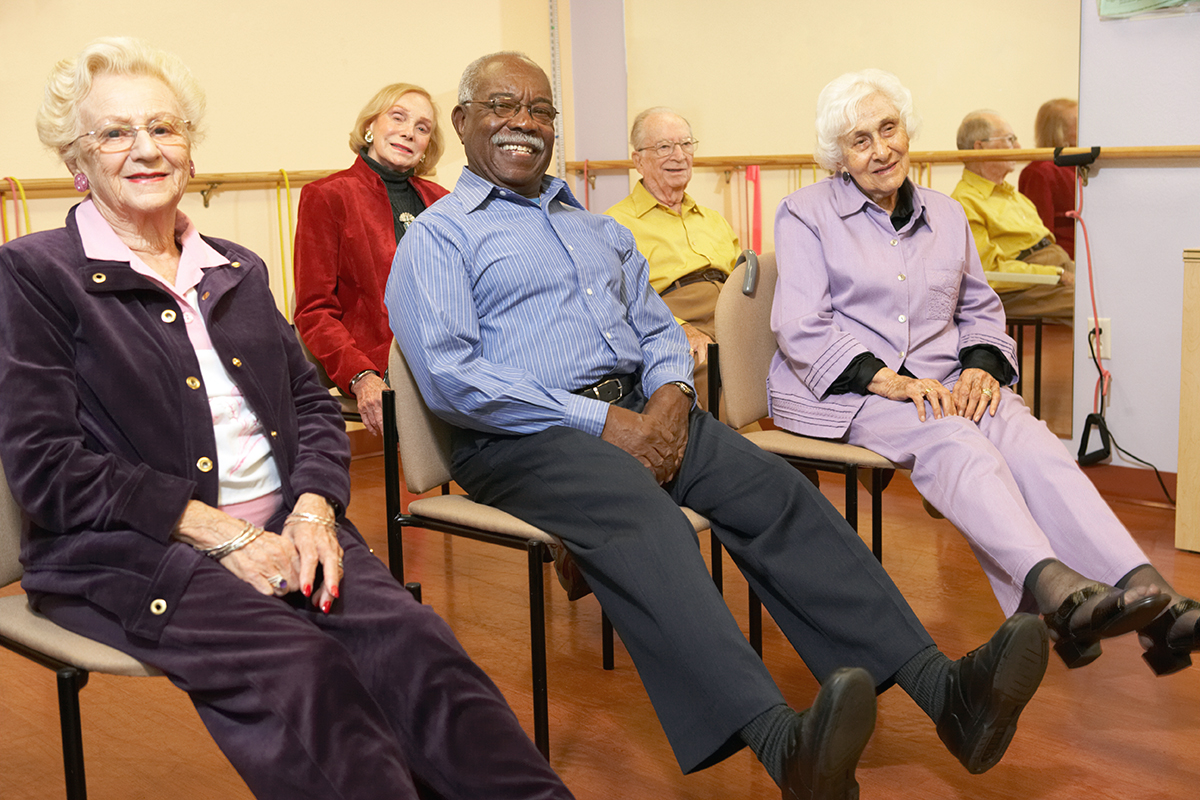
Course Book
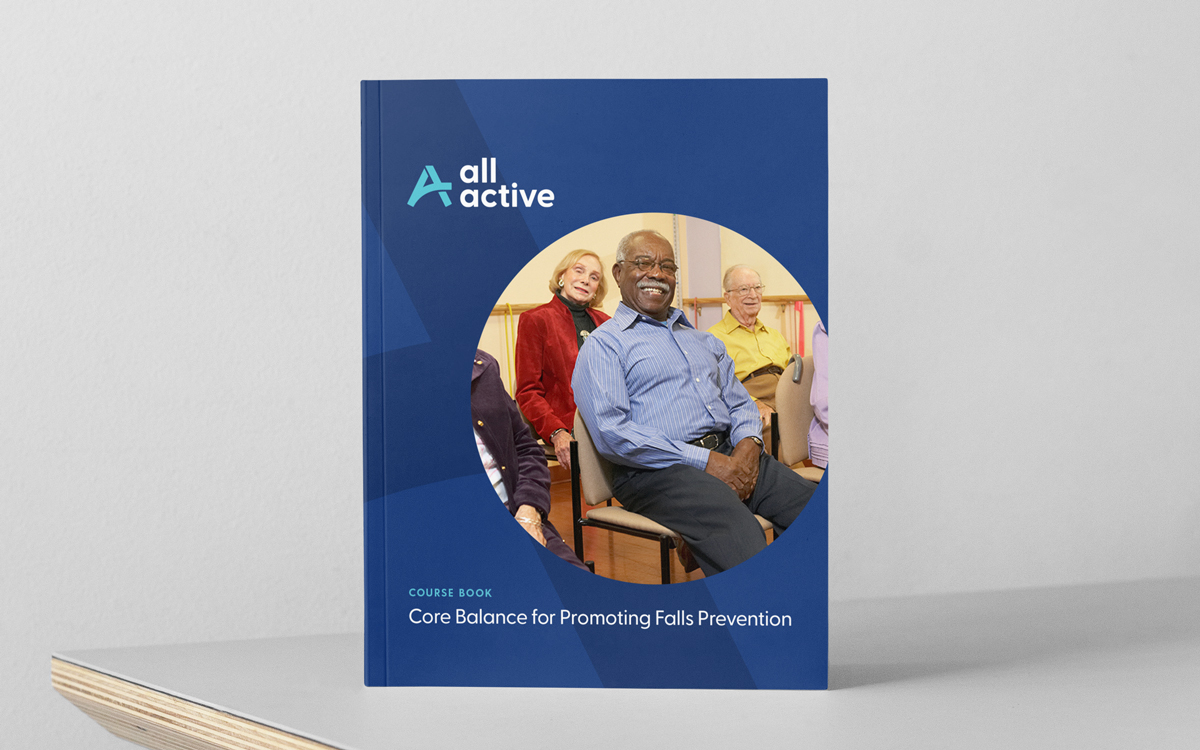
A printed 481‑page course book covering all course content is available as an optional add‑on for those enrolled in online learning.
Book Now
Online Learning
The course includes videos, downloads and podcasts covering session structure and programme design. You’ll have 12 months’ access.
£320
+VAT / pp
Save up to 10% on group bookings
5+ places
£304 +VAT/pp10+ places
£288 +VAT/pp