AllActive Logo

Why motivation – and social connection – matter Walk into a lively chair-based exercise class and you will notice more than movement. You will hear names being used, laughter shared, stories swapped and small wins celebrated. These moments do more than lift the mood; they nurture the kind of motivation that keeps people coming back. […]

The fitness world is filled with exercises whose names often seem to bear little immediate relation to the movements they involve. Many exercises have straightforward, descriptive titles—consider “chest press”, “squat”, or “arm curl”. Even without knowing the precise technique, these names offer a clear mental image of the action. In contrast, terms such as “bird-dog”, […]

For most healthy adults, regularly needing more than about nine hours of sleep each night can be a sign that something is amiss. While the occasional lie-in after travel, illness, intense physical activity, or a string of late nights is perfectly normal and usually harmless, consistently sleeping for long periods – especially if you still […]

Sensory losses, particularly those affecting vision and hearing, are common among older adults and can have a profound impact on their ability to participate safely and effectively in chair-based exercise classes. As health professionals and exercise instructors, it is essential to recognise how these impairments may influence engagement, safety, and overall experience, and to adapt […]

Habits are an integral part of our daily lives, shaping our routines and influencing our overall well-being. From the mundane act of brushing our teeth to more complex behaviours like smoking or procrastination, habits can be both beneficial and detrimental. While conventional wisdom has long suggested that it takes precisely 21 days to change a […]

One topic that often confuses students is muscle and joint action during exercise. In textbooks and manuals, the terms concentric and eccentric are typically explained in isolation, without applying this information to a broader context. While this approach may help students memorise definitions for exams, it does not necessarily aid their understanding or ability to […]

Sarcopenia is a progressive, age-related condition characterised by the loss of muscle mass and strength. In the UK, where the population is steadily ageing, sarcopenia has become an important issue to address. The condition affects individuals in several ways by reducing mobility and independence, whilst also increasing the risk of falls, fractures and hospital admissions. […]

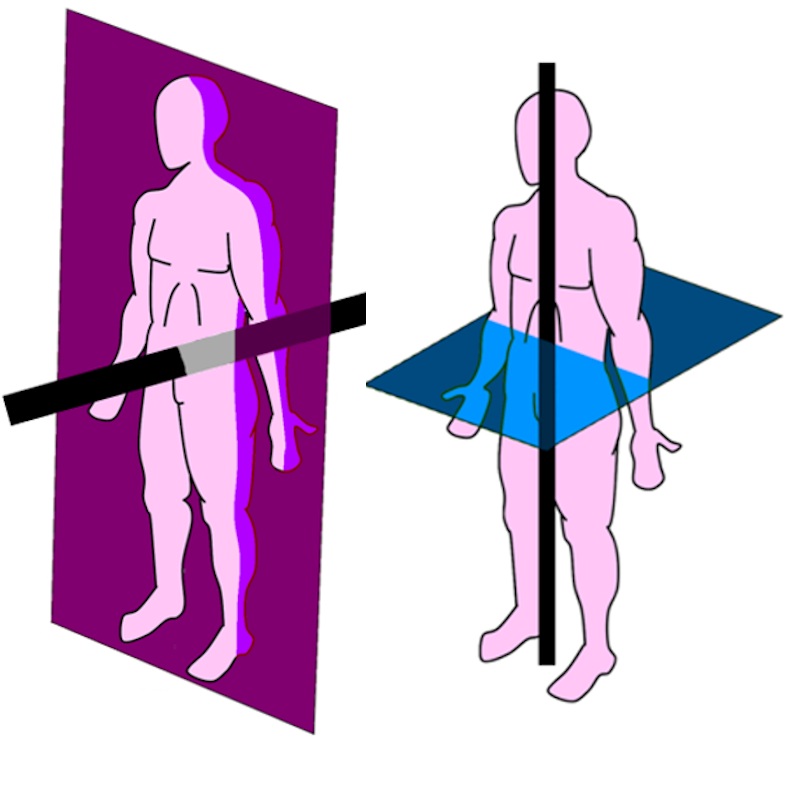
The concepts of planes and axes in the human body are fundamental tools used to describe movement, anatomy, and positioning. However, they often leave students feeling confused. Over the years, I have noticed that diagrams showing a person sliced into sections by imaginary squares or pierced by lines rarely clarify the topic (see for yourself […]

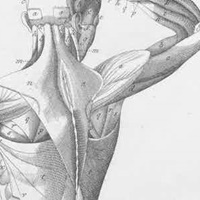
This article may not appeal to everyone. However, if you have ever struggled to memorise the correct anatomical names for muscles, it may be beneficial to you. I have adapted an old handout I provided to students – understanding the origins of muscle names can significantly simplify the learning process. The terminology used to name […]

Listening to a radio discussion on obesity the other day, one commentator flippantly remarked, “Don’t treat your body like a skip,” while everyone agreed on the adage, “You can’t outrun a bad diet.” This phrase is commonly used, but how accurate is it? After reading several academic and news articles (some are in the links […]

Leave us a message